Source Eco Friendly Wooden Math Scale for Learning Toys
Find 30 eco friendly wooden math scale options for early childhood education. Compare customizable designs, safety certifications like CE and ASTM, and material finishes to select the best learning tools for young students; compare the available evidence and request quotations based on your requirements.
Key considerations
Products List


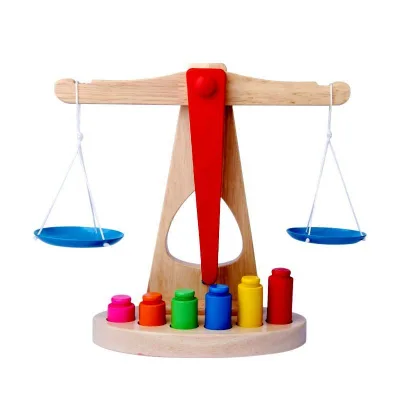


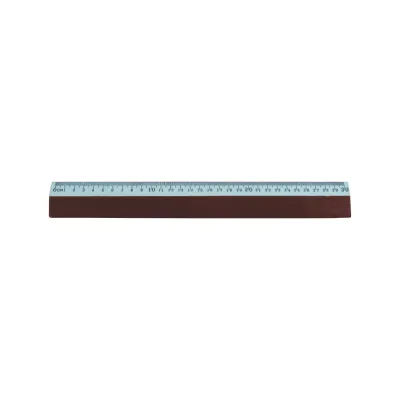


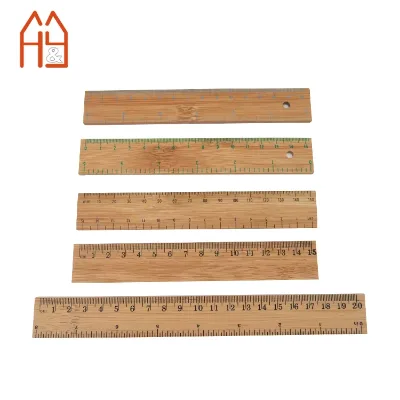
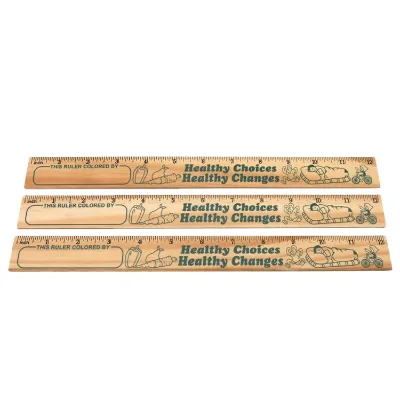
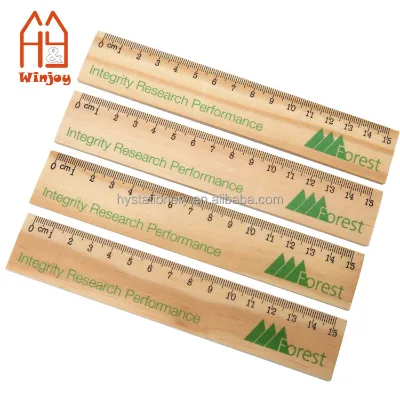
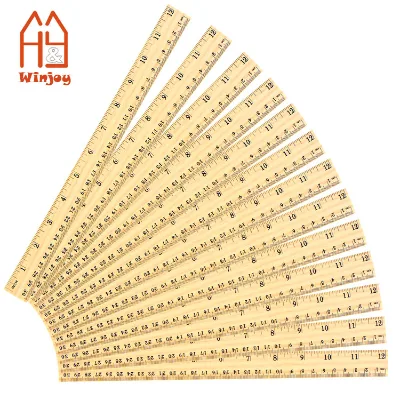
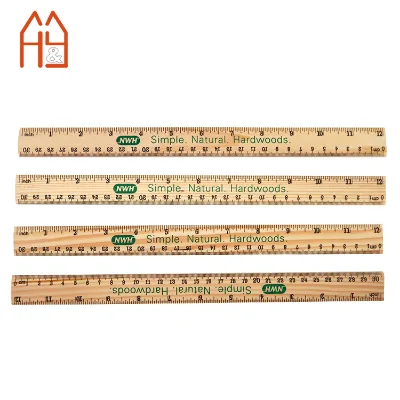
Comprehensive Sourcing Guide
Eco Friendly Wooden Math Scale Sourcing Guide
Buyers seeking eco-friendly wooden math scales must first distinguish between general educational toys and specialized measuring instruments, as the product landscape includes both simple learning blocks and functional measurement boards. The observed market data indicates a clear split between items designed for children under three years old and those targeting the 3-8 age range, with specific models like the RS006 and HM01 serving distinct developmental needs. Understanding this segmentation is critical before initiating contact, as the intended age group dictates the required safety certifications and material durability standards.
Procurement decisions should also account for the specific functional attributes observed in listings, such as the inclusion of steel or PVC measuring taps and collapsible extension pieces. While some products are marketed strictly as learning toys with custom logos, others function as precise scales with graduated markings down to 1mm. Buyers must verify whether the supplier offers the specific configuration required for their curriculum, ensuring that the "Eco-Friendly" and "Nontoxic" claims align with the actual material composition, such as hardwood with water-resistant finishes, rather than generic marketing terms.
Product Scope and Observed Listing Signals
The available product range demonstrates significant variation in physical dimensions and assembly methods, requiring buyers to scrutinize size specifications carefully. Listings show models with measuring ranges spanning 70-130cm and specific thicknesses for platforms and bodies, such as 1.5cm and 8mm respectively. These physical constraints directly impact shipping costs and storage requirements, making it essential to confirm the exact folded dimensions and whether the board packs compactly with foam or in standard outer cartons before finalizing order quantities.
Customization capabilities represent another key signal in the current market, with many suppliers offering tailored logos and sizes to match specific branding or educational standards. The data confirms that customization is available for both the product model and the packaging, allowing buyers to align the final output with their corporate identity or institutional guidelines. However, buyers must verify if the "Customized" attribute applies to the entire unit or only specific elements like the logo, as this distinction affects the complexity of the production process and the resulting unit cost.
Technical Specifications to Verify
Technical verification must begin with the material composition, specifically confirming the use of hardwood and the presence of a water-resistant finish to ensure longevity in classroom environments. The observed specifications highlight a platform thickness of 1.5cm and a body thickness of 8mm, which are critical for structural integrity when children apply pressure during measurement activities. Buyers should request physical samples to validate that the wood density and finish quality meet the durability expectations for high-traffic educational settings.
Precision and measurement accuracy are equally vital, particularly for models featuring graduated markings and measuring taps. The market data indicates a graduation of 1mm and the use of steel or PVC on one side of the board, which suggests a focus on functional utility beyond simple play. Procurement teams must verify that the measuring tap is securely attached and that the graduation lines are clearly visible and accurate, as these features define the product's value as a legitimate educational tool rather than a generic toy.
Compliance and Safety Documentation
Safety compliance is non-negotiable for products targeting young children, and the observed listings frequently cite certifications such as CE, EN71, and ASTM F963-96a. These standards are essential for ensuring that the wooden math scales are free from toxic substances and meet rigorous mechanical safety requirements for toys intended for children under eight years old. Buyers must insist on seeing valid, up-to-date test reports from accredited laboratories to confirm that the specific batch of products being sourced adheres to these strict regulatory frameworks.
In addition to toy safety standards, buyers should verify if the supplier holds ISOCE certification, which may indicate broader quality management systems in place. The presence of multiple certifications in a single listing suggests a robust compliance infrastructure, but it is crucial to ensure these documents are specific to the product model and not generic certificates for the entire factory. Without verified documentation, the risk of regulatory non-compliance in the destination market remains high, potentially leading to product recalls or customs delays.
Cost Drivers and Commercial Terms
Pricing in this sector is heavily influenced by the level of customization and the complexity of the assembly process, with observed price ranges spanning from $0.04 to $700 depending on the specific model and order volume. Factors such as the inclusion of custom logos, specialized packaging like color boxes with foam, and the use of premium materials like hardwood with water-resistant finishes will drive costs upward. Buyers should analyze the cost structure to understand how much of the price is attributed to raw materials versus value-added services like branding and specialized packaging.
Commercial terms also play a significant role in the total cost of ownership, with suppliers offering various payment methods including T/T and PayPal, alongside trade terms like EXW, FOB, DDP, and DAP. The availability of samples with a lead time of 7-10 days allows buyers to validate quality before committing to large orders, but this initial cost must be factored into the budget. Understanding the minimum order quantities, which range from 1 to 10,000 units, is essential for negotiating favorable terms and managing cash flow effectively.
Supplier Qualification and Quality Control
Supplier qualification should focus on verifying R&D capabilities and the ability to execute OEM orders, as the market data indicates that many manufacturers possess these specific capacities. Buyers must assess whether the supplier can handle the customization requirements, such as adjusting the standard size of 130cm by 25cm or modifying the graduation markings, without compromising the structural integrity of the product. A supplier with strong R&D support is better positioned to solve technical challenges and adapt to unique buyer specifications efficiently.
Quality control processes must be rigorously evaluated, particularly regarding the assembly and disassembly features that are highlighted in the product descriptions. The ability to easily assemble and dismount the board, along with the collapsible nature of extension pieces, requires precise manufacturing tolerances to ensure smooth operation over time. Buyers should request a quality control plan that details inspection points for material consistency, finish application, and the functionality of the measuring components to prevent defects in the final shipment.
Long-Term Procurement Checks
Establishing a long-term partnership requires regular audits of the supplier's ability to maintain consistent quality and adhere to agreed-upon standards over time. Buyers should implement a schedule for periodic re-testing of samples to ensure that the wood, finish, and measuring components continue to meet the initial safety and performance benchmarks. This proactive approach helps identify any drift in manufacturing quality before it impacts the end-user experience or leads to compliance issues in the market.
Supply chain resilience is another critical factor for long-term success, necessitating a clear understanding of the supplier's lead times and capacity to scale production. With observed lead times for samples ranging from 7-10 days, buyers must discuss how these timelines extend for bulk orders and what contingency plans exist for potential disruptions. Building a relationship based on transparent communication and reliable delivery schedules ensures that the procurement of eco-friendly wooden math scales remains a stable and predictable component of the supply chain.
FAQs
What certifications do these wooden math scales hold?
These products hold CE, EN71, ASTM F963-96a, and ISOCE certifications. They are designed to meet international safety standards for children's educational toys. The materials used are nontoxic and eco-friendly, ensuring safety for young learners aged three to eight years old during play and learning activities.
Can I request a custom logo on the wooden scale?
Yes, custom logos are available for these wooden math scales. Buyers can request specific branding to be applied to the product. This customization option allows businesses to create unique educational tools while maintaining the high-quality hardwood construction and water-resistant finish found in the standard models.
What is the minimum order quantity for these scales?
The minimum order quantity ranges from one to ten thousand units depending on the specific model and customization needs. Buyers should check the product page for exact MOQ values associated with their selected item. Flexible ordering options exist to accommodate both small sample requests and large bulk procurement requirements.
How long does it take to receive sample orders?
Sample lead times typically range from seven to ten days for these wooden math scales. Suppliers offer samples to allow buyers to verify quality before placing larger orders. This quick turnaround helps businesses evaluate the product features, such as the collapsible extension piece and compact folding design, efficiently.
Are these scales suitable for children under three years old?
No, these scales are generally designed for children aged three to eight years or older than twenty-four months. Some specific models are marked for ages under three, but most educational toys in this category target the three-year-old demographic. Always verify the age recommendation on the specific product listing before purchase.
What materials are used to construct these math scales?
These scales are constructed from hardwood with a water-resistant finish. The platform thickness is 1.5cm while the body is 8mm thick. Some models include steel or PVC measuring taps. This durable construction ensures the educational toy withstands frequent use while remaining eco-friendly and safe for classroom environments.